With today’s social media feeds flooded by extreme diets and fitness trends, achieving a double-digit weight loss may feel impossible—a true uphill battle filled with sacrifices and unsustainable practices. I remember scrolling through Instagram one evening, overwhelmed by images of seemingly perfect bodies achieved through quick fixes. Then I came across a statistic: nearly 80% of people who lose weight regain it within a year (Stanford Healthcare, 2024). This data struck me, highlighting the need for a sustainable approach. Through consistent workouts, increasing fiber and protein intake, and embracing intuitive eating, I lost 30 pounds—and have kept it off. My journey taught me that real progress comes from balance, not extremes.
The Reality of Weight Loss
Challenging the Norms:
Social media and the fitness industry are filled with extreme measures, from restrictive diets to punishing workout routines. These messages can foster a mentality that equates success with “how extreme” rather than “how sustainable.” In fact, research shows that extreme diets often lead to short-term weight loss but rarely deliver long-term results.
My Approach:
Instead of succumbing to extremes, I took a balanced path rooted in moderation and self-awareness. Here’s how a focus on gym consistency, fiber and protein intake, and intuitive eating helped me achieve my weight loss goals.
Consistent Gym Routine

Foundation of Success:
Consistency was key. I set realistic goals, starting with one to three workouts per week, and increased them as my endurance grew. Regular exercise didn’t just burn calories—it boosted my metabolism and fitness levels.
Diverse Workouts:
By focusing on strength training, I kept my workouts fresh and engaging. Strength work not only sculpted my physique but also raised my metabolism, helping me burn more calories even at rest. Tracking progress kept me motivated, pushing me to explore new challenges and keep going.
Increased Intake of Fiber and Protein
Nutritional Strategy:
Rather than diving into extreme diets, small changes made the biggest difference. Research supports that fiber-rich foods—whole grains, fruits, and vegetables—can promote satiety and stabilize digestion, helping with natural weight loss.
The Role of Proteins:
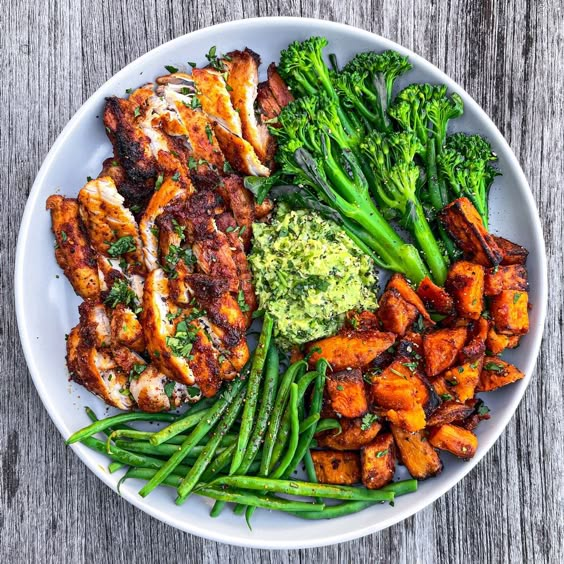
Protein became essential not only for muscle repair but also for staying full. Studies confirm that higher protein intake can preserve muscle during weight loss and reduce hunger, making it easier to maintain a calorie deficit (Paddon-Jones et al., 2008). Lean protein sources like chicken, fish, beans, and Greek yogurt became meal staples, helping maintain muscle mass and satisfy hunger without overindulgence.
Embracing Intuitive Eating
Listening to My Body:
Intuitive eating was a game-changer. I started asking myself, Will I feel good about eating this? This simple question helped me tune into my body’s hunger cues, bringing balance to my meals. Rather than following rigid meal plans, intuitive eating empowered me to choose foods that nourished me both physically and emotionally.
Flexibility and Enjoyment:
Intuitive eating gave me the freedom to enjoy my food and occasionally indulge without guilt. Respecting cravings within reason helped foster a healthier relationship with food and a mindset focused on sustainable choices rather than rules.
Conclusion: Rethinking Success in Weight Loss
My journey to losing 30 pounds wasn’t about extremes or sacrifices—it was about consistency, balance, and intuitive eating. As you embark on your weight loss journey, remember that true success lies in nourishing your body with whole foods, moving in ways you enjoy, and building trust through intuitive eating. Share your experiences or thoughts below; together, let’s redefine success by its impact on long-term health, not temporary numbers on a scale.
 The Mindfulness Blog
Leave a comment